“By listening to marine mammals and understanding their world, we can give a voice to the Ocean and understand the changes it is experiencing. Safeguarding the splendor and biodiversity of this Planet requires us to be in tune with the Tribe of the Sea.”
Our lives depend on the sea; the future of the sea depends on us.
We live on a planet covered by 70% water. Since ancient times native Hawaiians have considered dolphins the tribe of the sea for their cognitive abilities and the way they hunted collaboratively with their tribes of the earth.
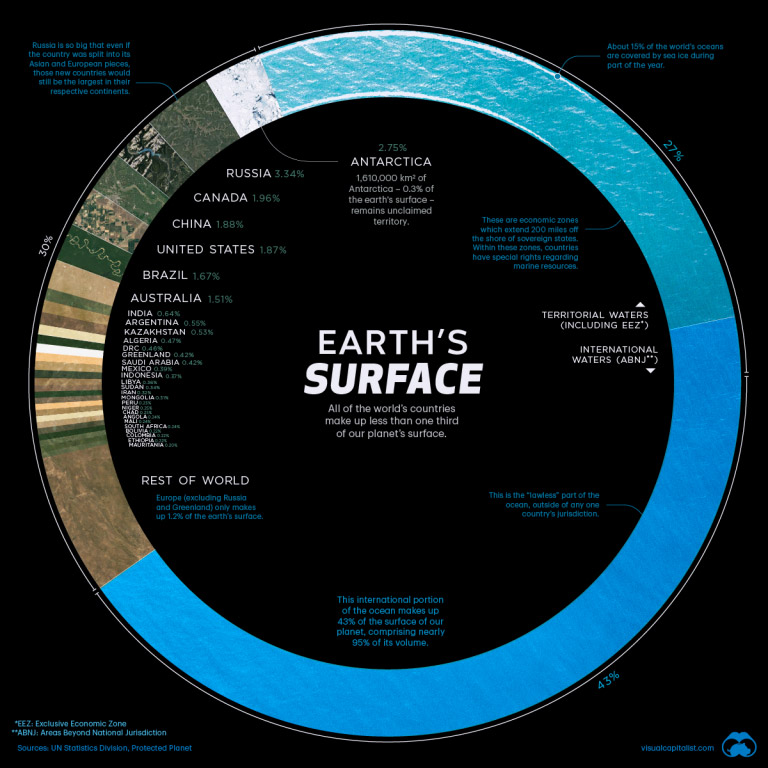
Sources : UN Statistics Division, Protected Planet
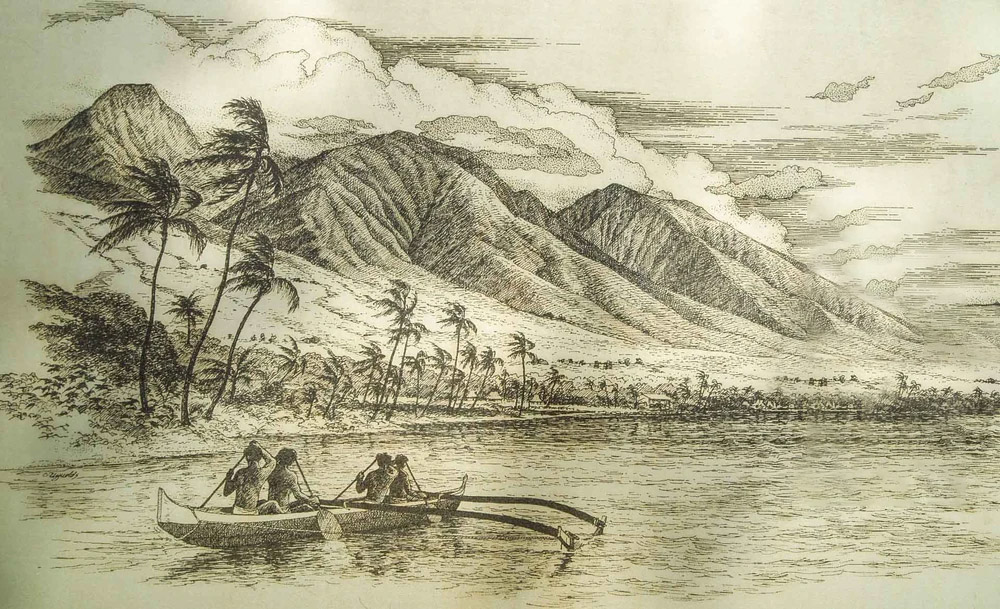
ph: kingdom hearts unlimited fandom
By listening and understanding the changes it is experiencing we can give a voice to the Ocean, safeguarding the splendor and biodiversity of this planet.
Our Mission
Deepen our knowledge of Hawaiian Spinner Dolphins’ social structure and bioacoustic repertoire to understand their modes of communication—essential to preserving this Hawaiian species and protecting the biodiversity of the precious habitat where they live.
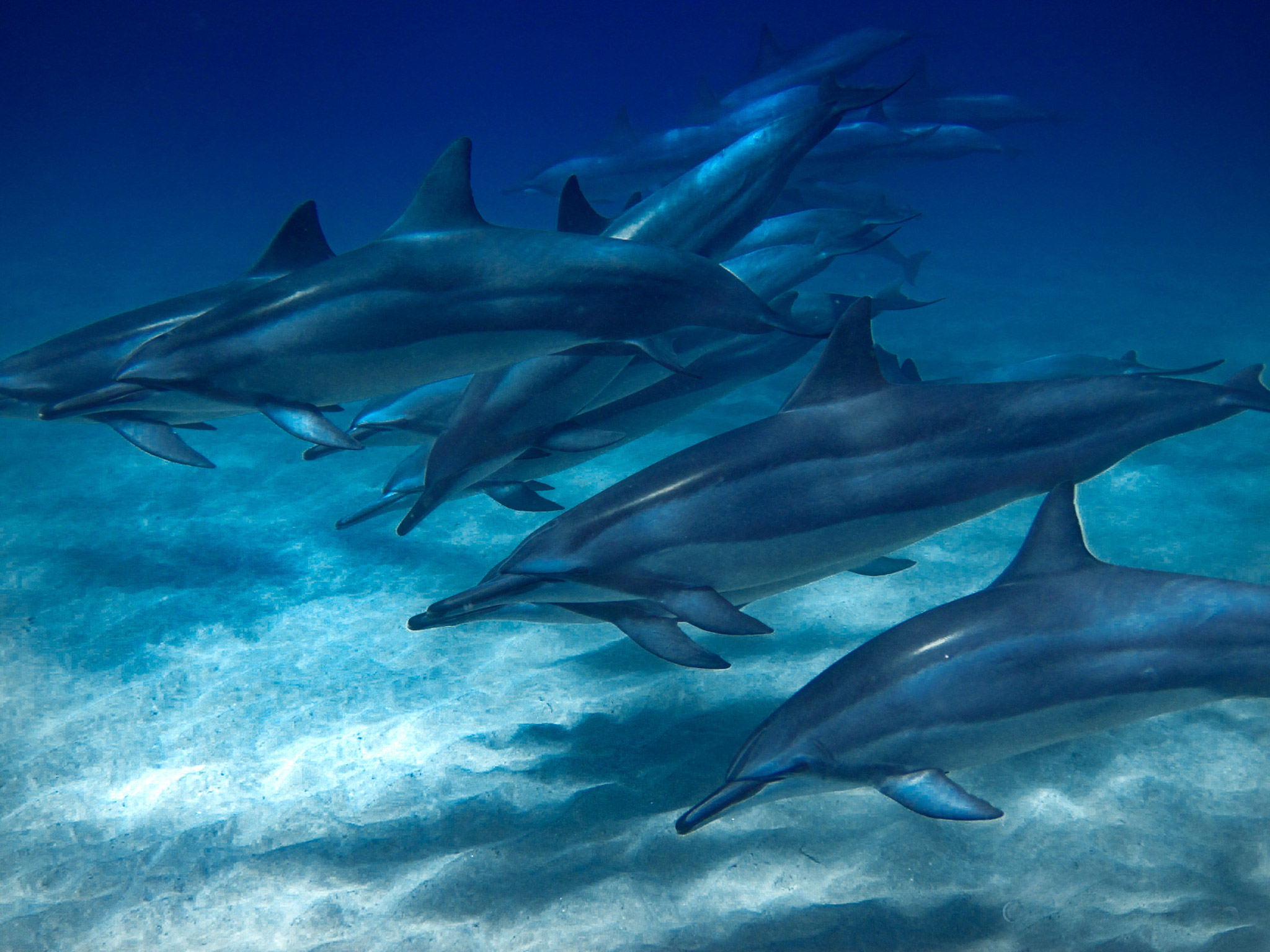
Project Overview
We are conducting a long-term cognitive behavioral study using cutting-edge AI technology to obtain critical information on the ecology of Spinner Dolphins living off the coast of Lānaʻi.
Leveraging new technology, we will gain a comprehensive view of Hawaiian Spinner Dolphins’ social structure and bioacoustic repertoire to understand the modes of intra/interspecies communication.
Communication is the glue union that holds animal societies together. By filming and recording their individual voices in their home bay we will relate their behaviors with their vocalizations and better understand dolphins’ communication and their social associations. Understanding the mechanisms of their communication will enable us to better protect the habitats in which they live.
Why Spinner Dolphins
Cetaceans such as dolphins, are vital for maintaining the ecological balance of marine ecosystems due to their movements and position in the food chain. Together with other large pelagics like sharks, tuna, and sea turtles, they help regulate the populations of the fauna they feed on. Maui Nui spinner dolphins, part of the Oʻahu/4-islands stock, are genetically distinct from other Hawaiian islands and display unique patterns of habitat usage due to the shallow bathymetry of the coastal region.
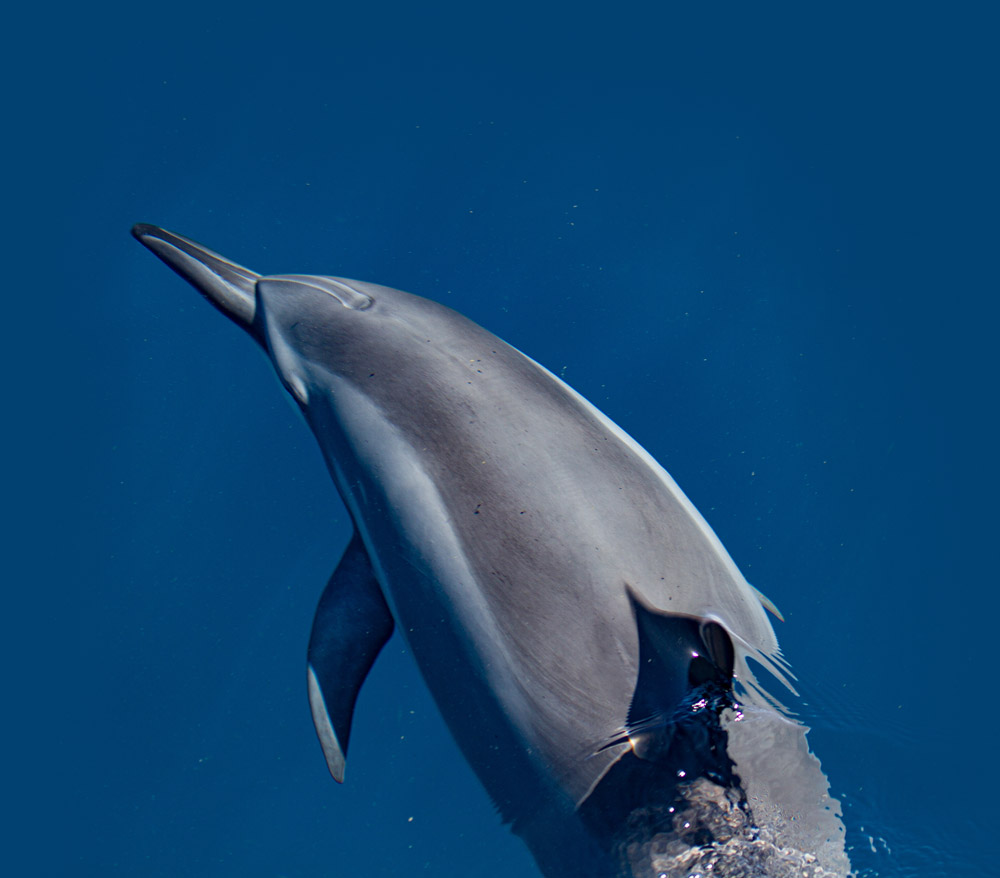
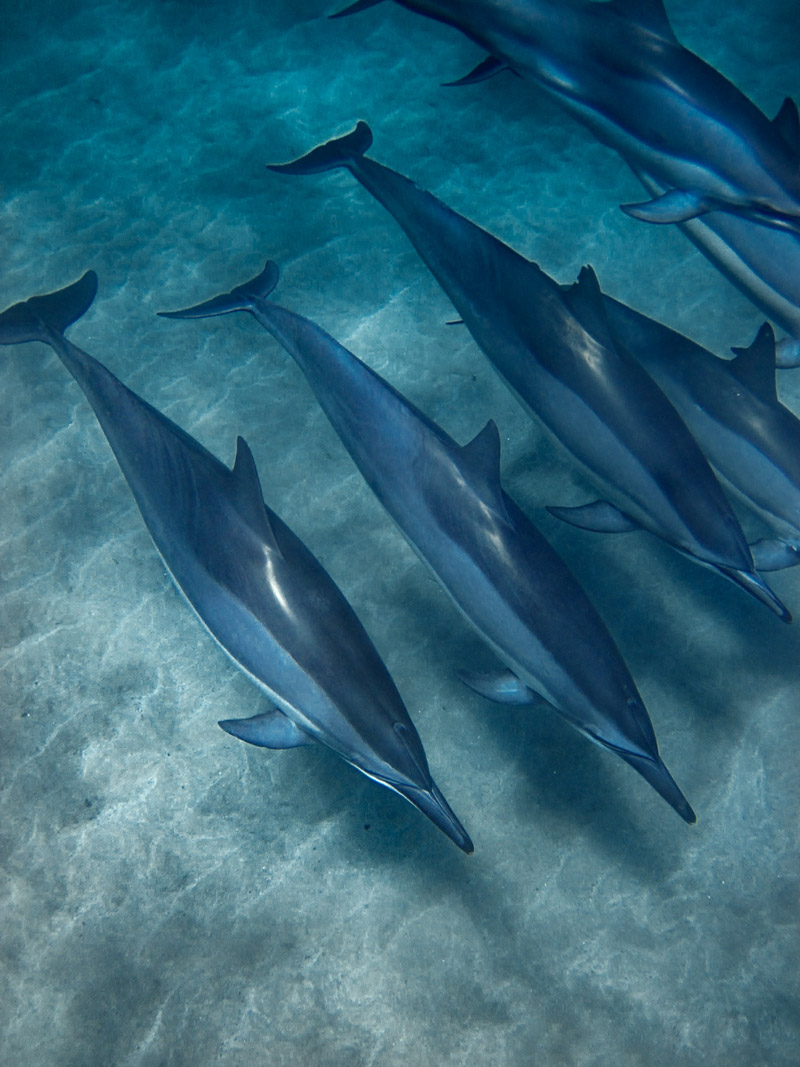
Hawaiian Spinner Dolphins in the Maui region have historically not been as well studied or understood as other keystone species, yet they are just as critical to the ecosystem.
As tourism grows in Maui Nui, the dolphins of Lānaʻi are under increased pressure from human activities, including dolphin watching. Moreover, the pollution from the tragic fires of Lahaina may have an ongoing impact on the Maui Nui dolphin population. We need to better understand how this population interacts with their habitat, what their needs are, and how humans are impacting their world.
Mālama i ke kai, a mālama ke kai iā ʻoe
Take care of the ocean and the ocean will take care of you.
Our Aim
Obtain data and information on the behavior and distribution of Spinner Dolphin populations to:
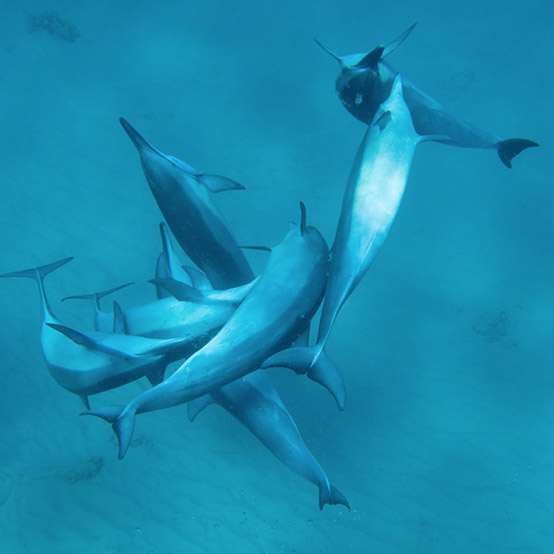
Observe and comprehensively understand their behavior.
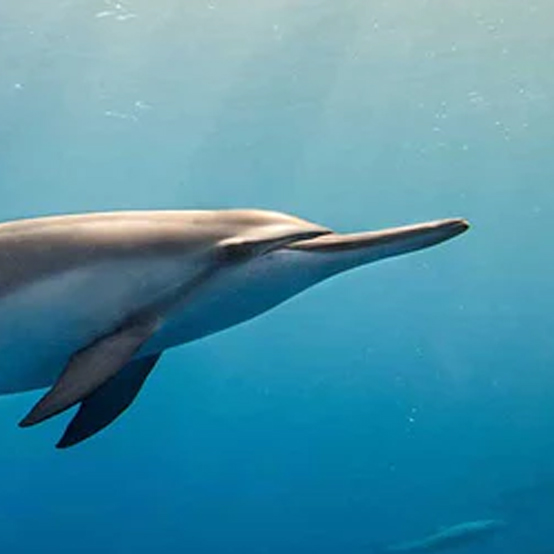
Identify individuals by their distinct morphological and vocal features.
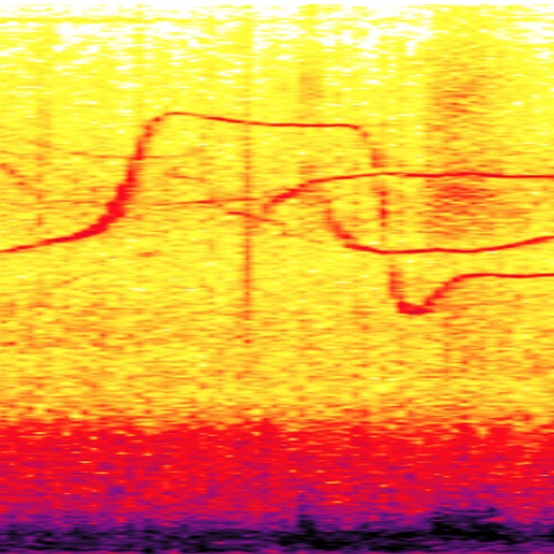
Advance the understanding of their acoustic repertoire.
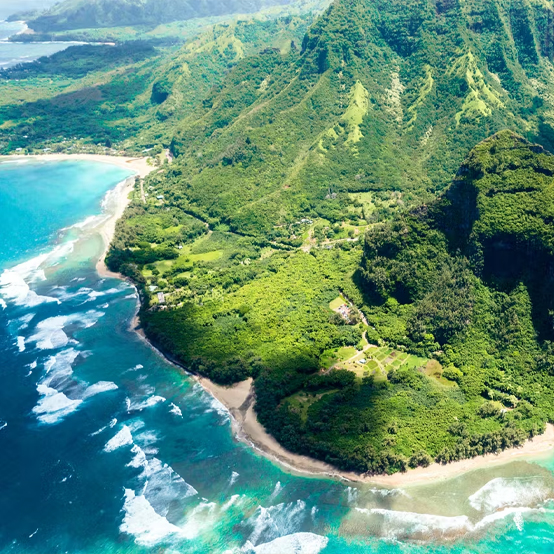
Enhance species recovery and inform local habitat management decisions.
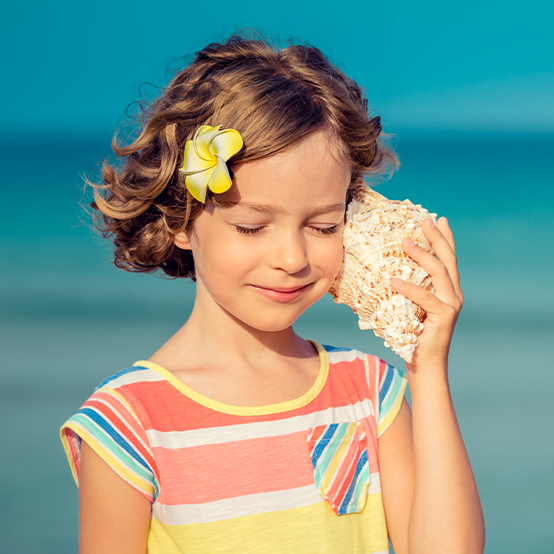
Promote ocean conservation through education and outreach.
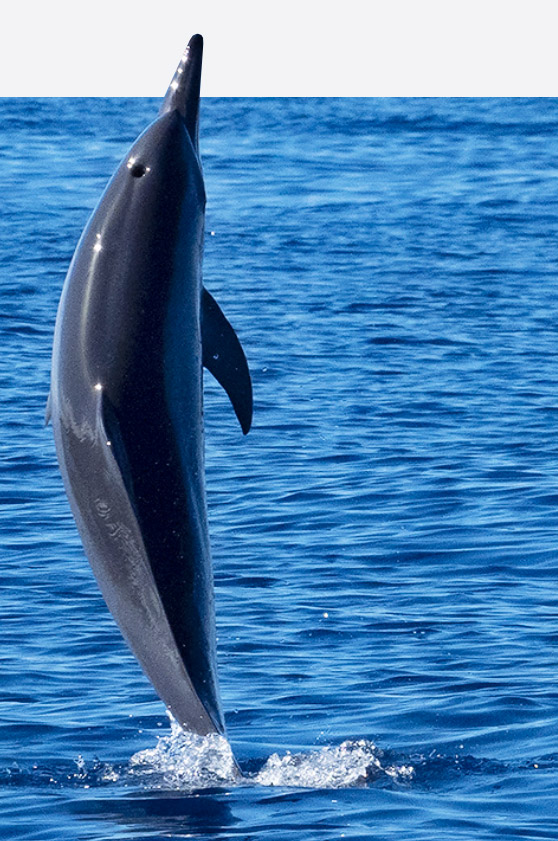
ph: © Don McLeish
Project Objectives
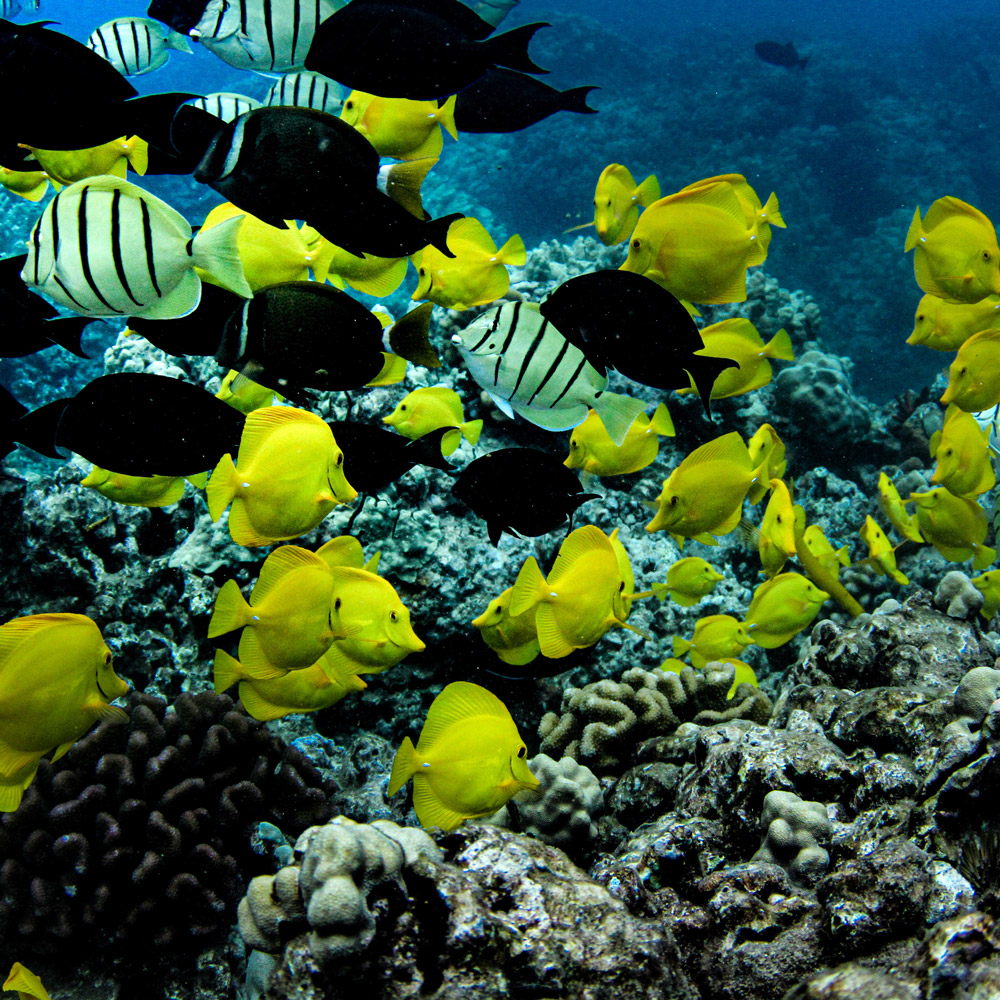
Outcome
The knowledge and information we gain will be used to…
- Protect and preserve Hawaiʻi’s unique habitats and marine life;
- Monitor animal welfare and ecosystem health;
- Create and put into practice effective management practices to protect the environment and conserve resources;
- Improve conservation education to strengthen the public’s awareness of the importance of the oceans and mālama (take care) of its well-being;
- Produce educational materials, marine labs for kids, and outreach activities to reduce Spinner Dolphin disturbance and promote ocean conservation.
A Management Plan
The conclusions from this research will be used to inform the local management plan to protect and conserve the islands’ unique environment and natural resources. The recommendations will prioritize identifying the time periods when dolphins are most susceptible to disturbance, as well as assessing the impact of ecotourism activities to the environment.
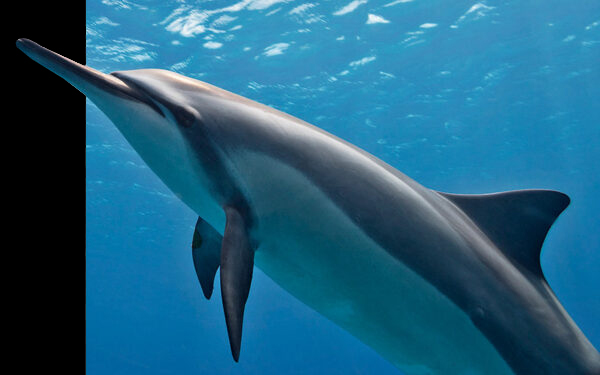
ph: © Don McLeish
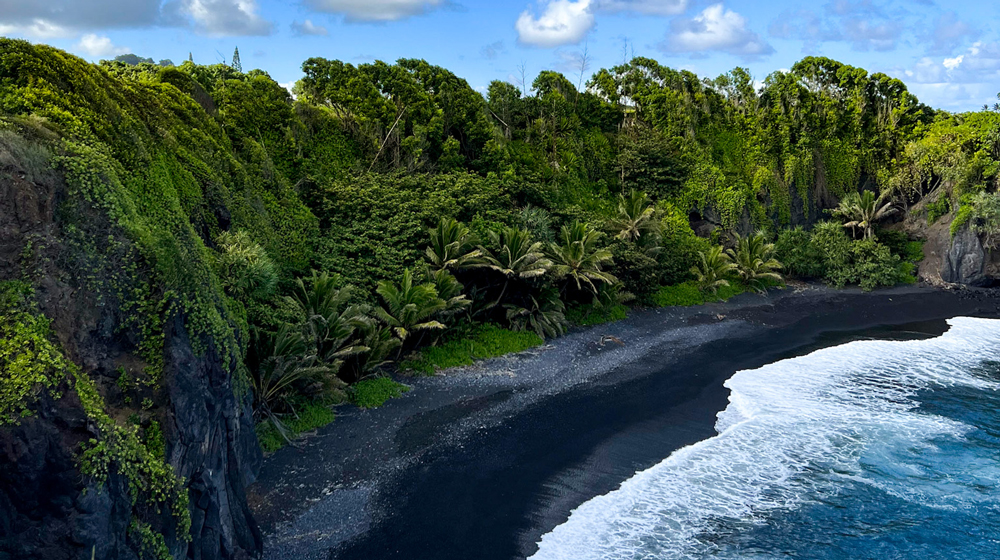
A Documentary
This innovative study opens the door to a new frontier of scientific research and will provide all the footage for a documentary series we’re calling, Nai’a—The Tribe of the Sea: on a new communication approach with wild Hawaiian Spinner Dolphins.
The film will track the novel use of AI to preserve the Hawaiian Spinner Dolphin species, filming and recording their voices. Using expert interviews, the documentary will shed light on environmental issues and the importance of marine biodiversity conservation.
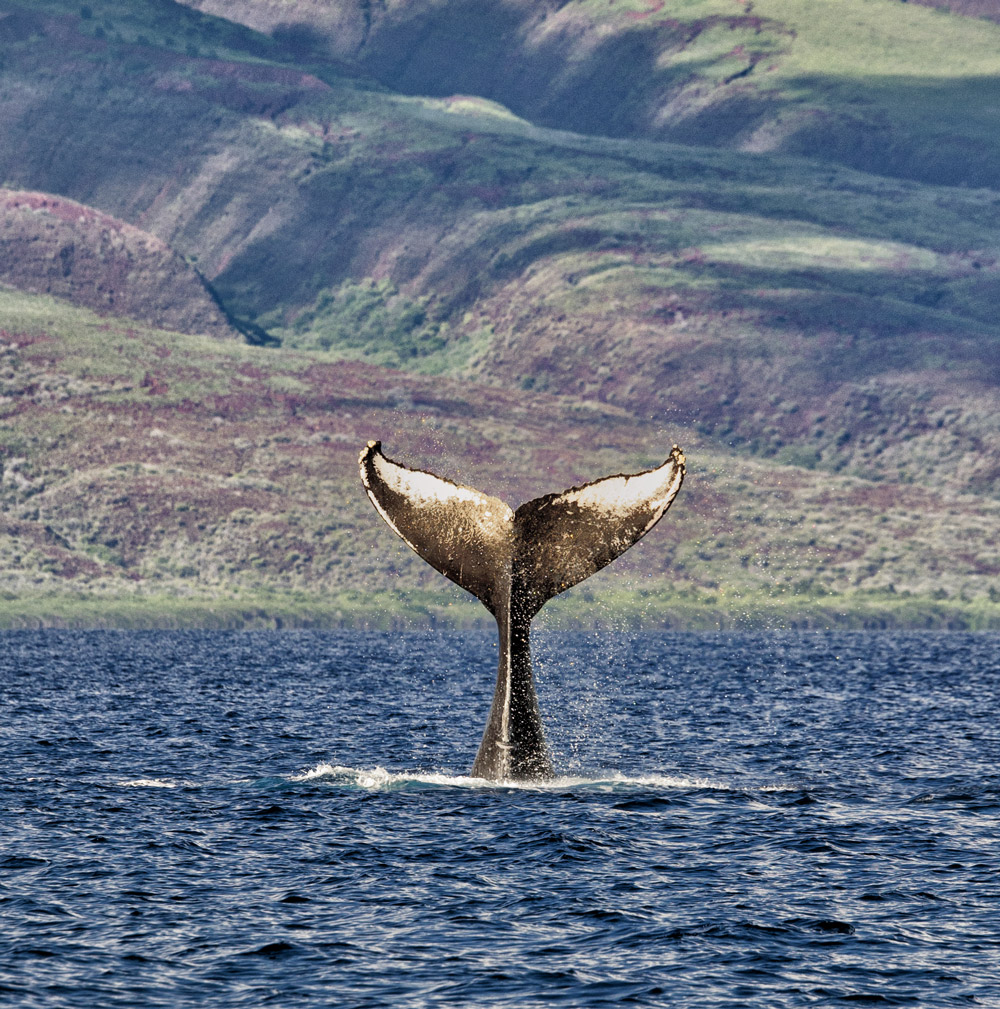
ph: © Ron West Art
AI for Conservation:
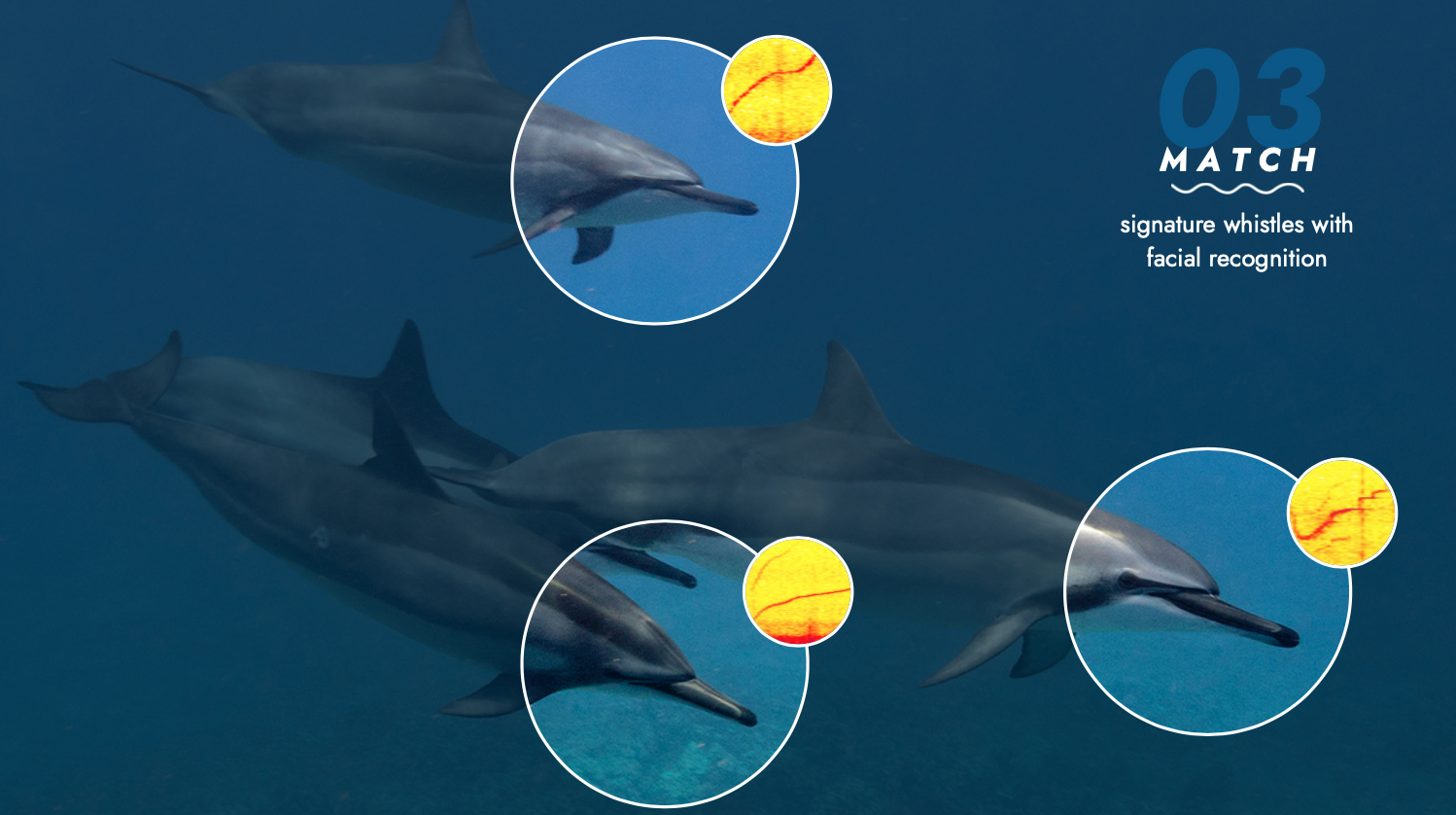
Leveraging advanced facial recognition and whistle identification to accelerate and enhance our understanding.
The Challenge:
Traditional marine mammal research and conservation initiatives rely on time consuming identification of photos and bioacoustics. This involves data collection on individual dolphins and partially manual identification of the dolphins from their natural markings and their vocalizations.
The Solution:
AI technology will enable us to expedite the identification of individual dolphins with much greater accuracy.
It will also enable us to estimate age, population size, range, residency, and loyalty to specific sites, and analyze frequencies and features that humans can’t detect—all with a high degree of accuracy, and reliability.
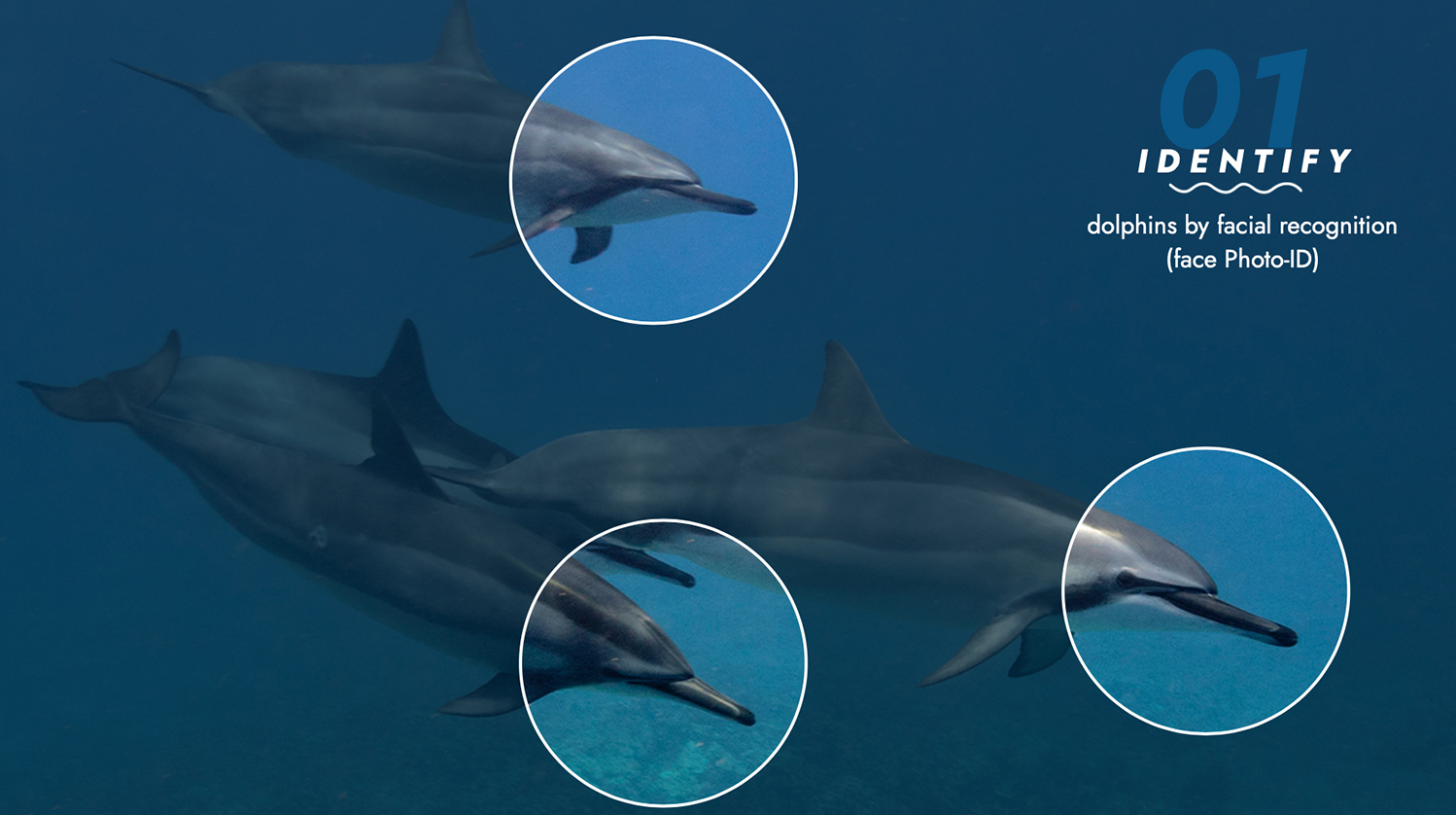
01
Identify
dolphins by facial recognition
(face Photo-ID)
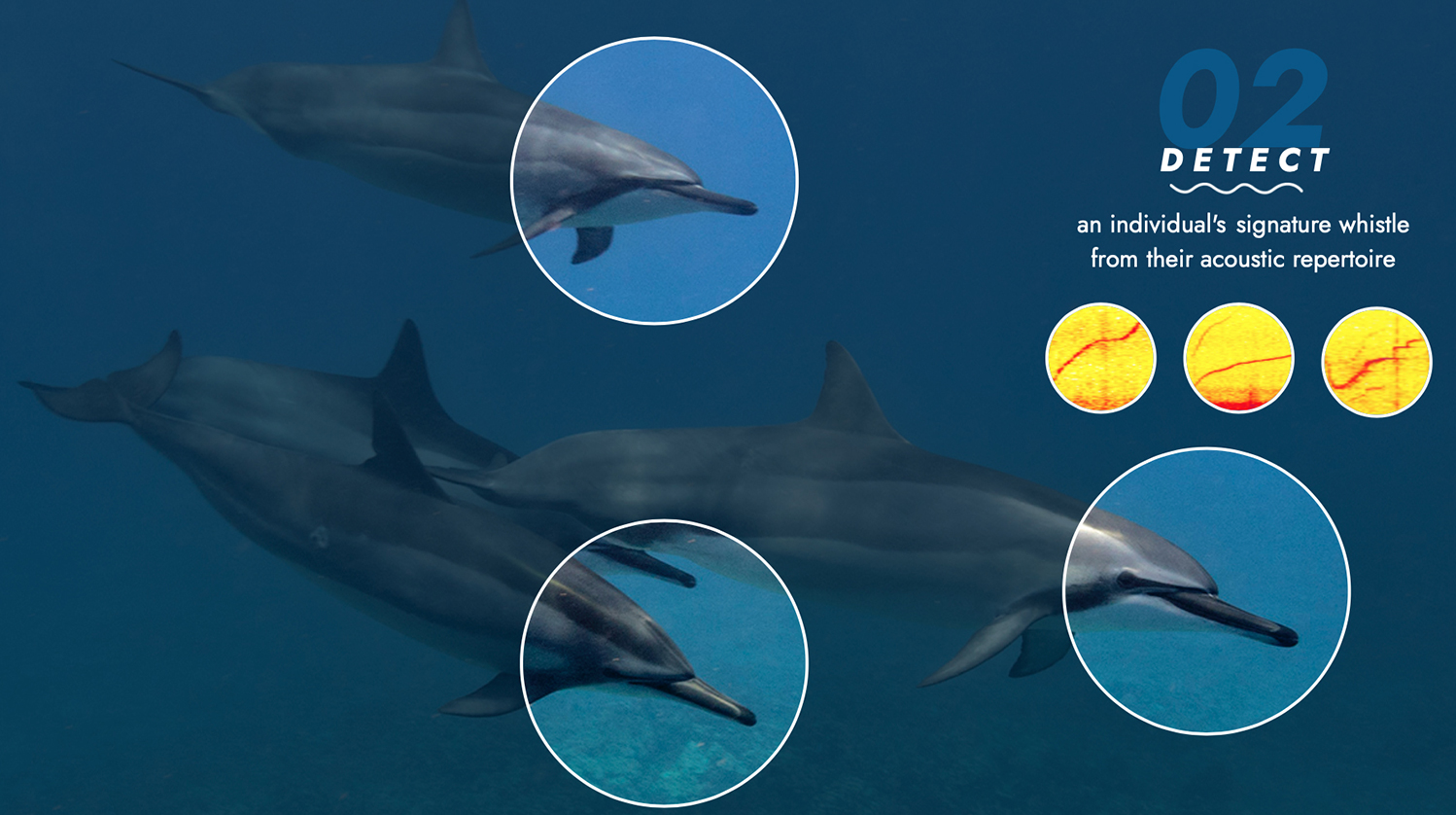
02
Detect
an individual’s signature whistle from theiracoustic reportoire
03
Match
an individual’s signature whistle from theiracoustic reportoire
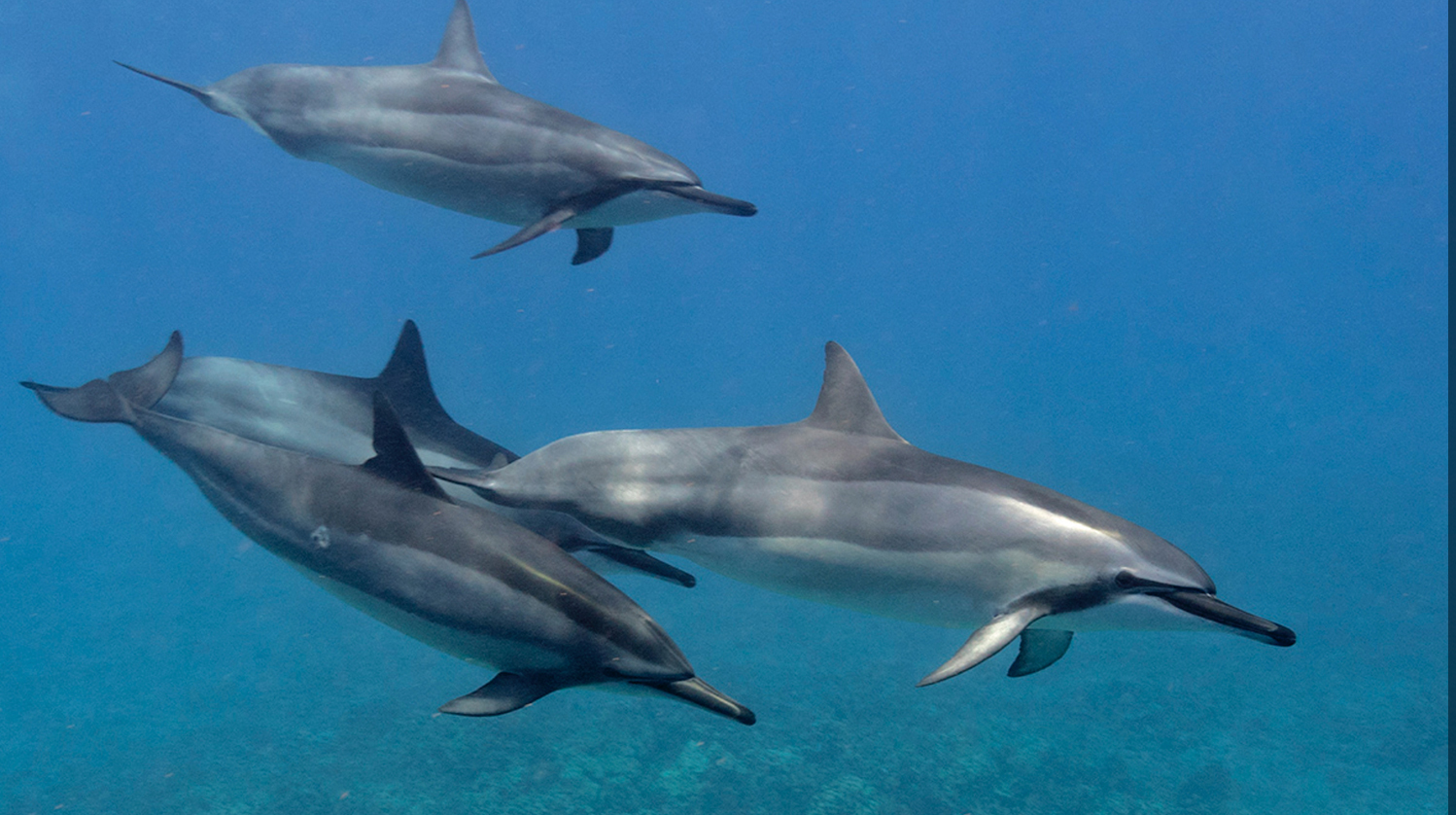
More about Spinner Dolphins
Nai’a – The Hawaiian Spinner Dolphin (Stenella longirostris)
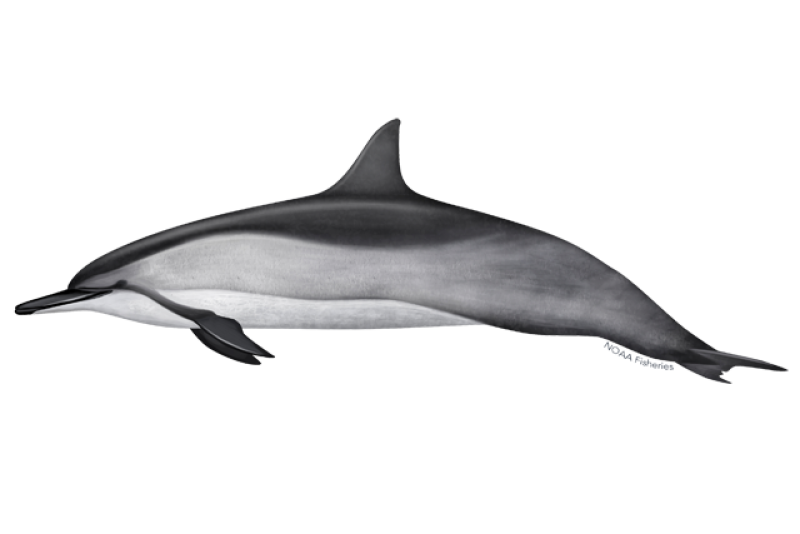
The Spinner Dolphin is one of the most frequently seen species of cetaceans in the waters off the Hawaiʻi Islands.
Stenella longirostris are known for their spectacular aerial acrobatics, spinning around their axis up to seven times before landing back into the water. Experts posit that Spinner Dolphins use these behaviors primarily for communication, but they may also serve to remove ectoparasites such as remoras.
Hawaiian Spinner Dolphins, part of Gray’s subspecies, exhibit a distinct three-banded coloring: dark gray on their back, lighter gray on their flanks, and a pale belly.
Hawaiian Spinner Dolphins are genetically unique and display different habitat utilization patterns across different islands. Hawaiʻi’s population has five genetically distinct island-associated stocks. These stocks are reproductively isolated, meaning breeding between them is minimal or non-existent.
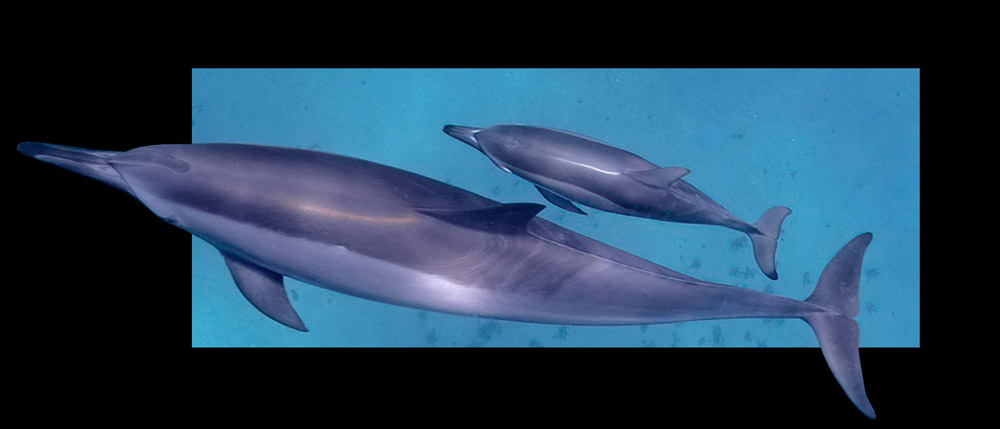
During the day they seek out calm, shallow, clear bays to socialize, rest, and care for their young. They prefer areas with sandy bottoms, as this gives them the best view of incoming predators. They move to deeper waters at night to hunt, taking advantage of the nightly vertical and horizontal migration that brings their prey species to shallower depths and closer to shore.
Signature whistle (SW)
Signature whistle (SW) is a distinctive acoustic signal. It’s a unique frequency-modulated vocalizations that remain stable throughout dolphins’ life (crystalized) and are developed during animals’ first months.
Listen to Hawaiian spinner dolphins
ph: © Don McLeish
Study Area
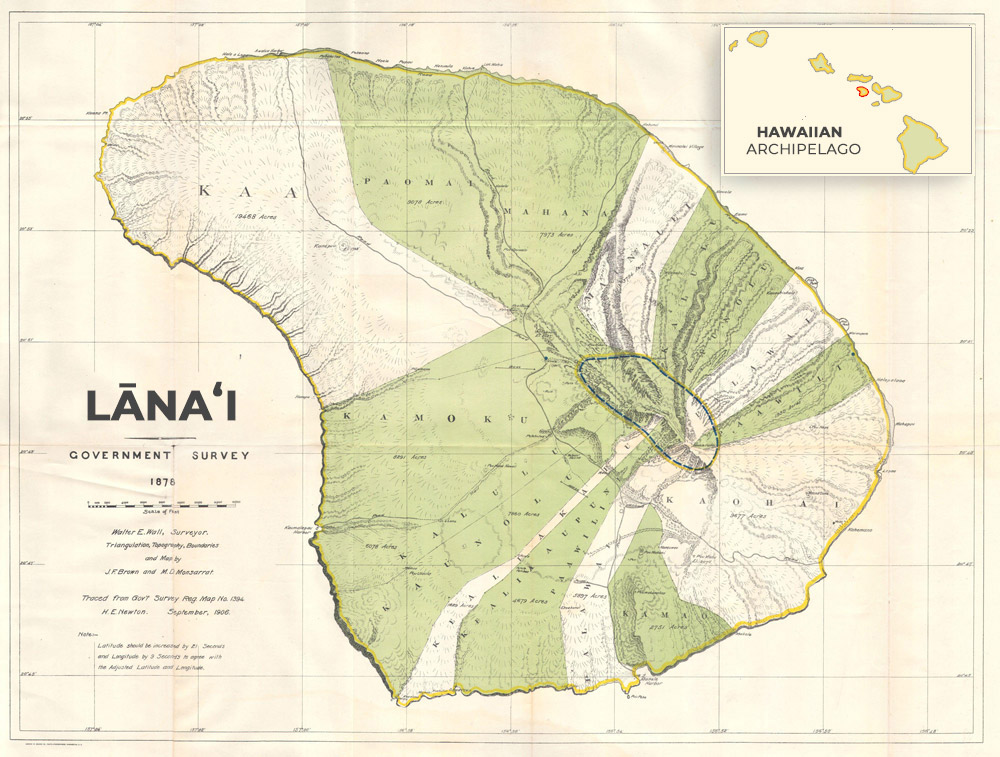
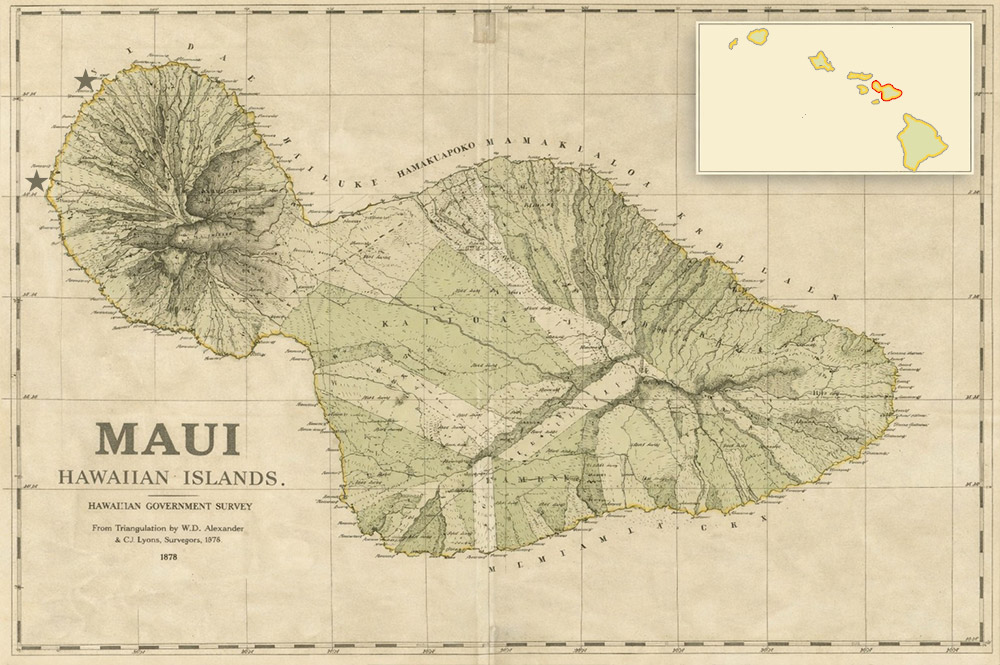
Our study area will focus on the coastal waters of the Hawaiian island of Lānaʻi and the ‘Au‘au channel, with particular attention to the island’s southern coasts, where groups of dolphins typically spend most of their day.
Lānaʻi Island
Lānaʻi, also known as Pineapple Island, is the sixth largest among the Hawaiian islands. It is located approximately 15 km west of Maui and 13 km south of Molokaʻi , with the Kalohi channel separating it from Molokaʻi and the ‘Au‘au channel from Maui.
Hulopoʻe & Manele bay
Nestled on the southern coast of Lānaʻi Island are two beautiful bays – Manele and Hulopo‘e. These bays are separated by a volcanic cone that has eroded on the seaward edge, creating a beautiful cove that is known as Pu‘u Pehe Cove. In the middle of the bay, there is a sandy channel that provides a serene and peaceful resting spot for dolphins.
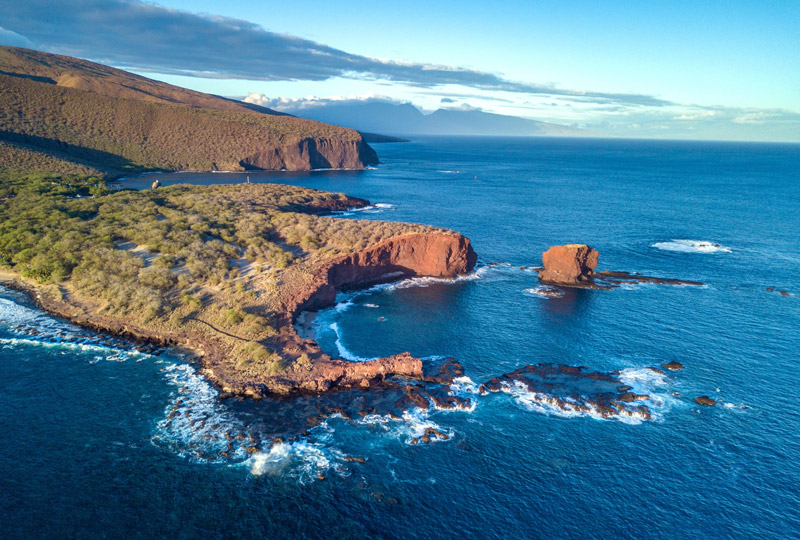
ph: The Iking Hi
West Maui Coastal Sites
In addition to Lānaʻi Island and the ʻAuʻau Channel, the study area includes selected coastal sites along West Maui known for consistent spinner dolphin presence.
These sites include Honolua Bay and Kahekili Beach Park, both of which provide important nearshore habitat used by dolphins for daytime resting and socializing.
Honolua Bay is characterized by sheltered reef systems and calm nearshore waters, while Kahekili Beach Park features a gently sloping coastline with sandy substrates and patchy reef. Together, these sites complement the Lānaʻi study areas by capturing dolphin habitat use across multiple islands within the ʻAuʻau Channel region.
Our Methods
-
- Observe and record animal behavior in their natural habitats, both above and below water surfaces, approaching them in a species-specific way.
- Observe and record animal behavior in their natural habitats, both above and below water surfaces, approaching them in a species-specific way.
-
- Exercising caution, we allow the dolphins to decide whether or not to engage with us—adhering strictly to the principles of dolphin etiquette, ensuring that we do not disrupt their daily routine.
-
- Capture underwater videos and high-frequency acoustic recordings with technology able to recognize the directionality of the vocalizations emitted by the animal on the recorded video.
Video by : Don McLeish
How you can help
Financial Contribution
In-Kind Donanation
Collaboration
Volunteer
Our Goals for Community Engagement
The Lānaʻi Marine Environmental Conservation is dedicated to safeguarding Spinner Dolphins through a variety of conservation, regulatory, and enforcement measures.
Through our work we aim to:
- Create educational workshops, seminars, campaigns, and storytelling that inspire public support and action.
- Implement periodic beach and reef cleanups to address the global problem of marine debris, impacting and threatening marine life and human health in Hawaiʻi.
- Monitor and manage animals and ocean welfare by implementing sound management practices, resource conservation, and environmental protection measures.
- Define a marine zoning system to enable rigorous protection in specific areas while allowing for intensive educational and recreational uses in others without compromising the ultimate objective of accessibility for future generations.
- Collaborate with local and national authorities, strengthen partnerships, and form new ones to safeguard Hawaiʻi’s unique habitats and species together.
- Improve conservation education for tourists and the travel sector on the proper use of natural areas, especially sensitive habitats.
- Increase public and local awareness of native wildlife through enhanced outreach education and community involvement as an essential tool for species conservation.
The Team
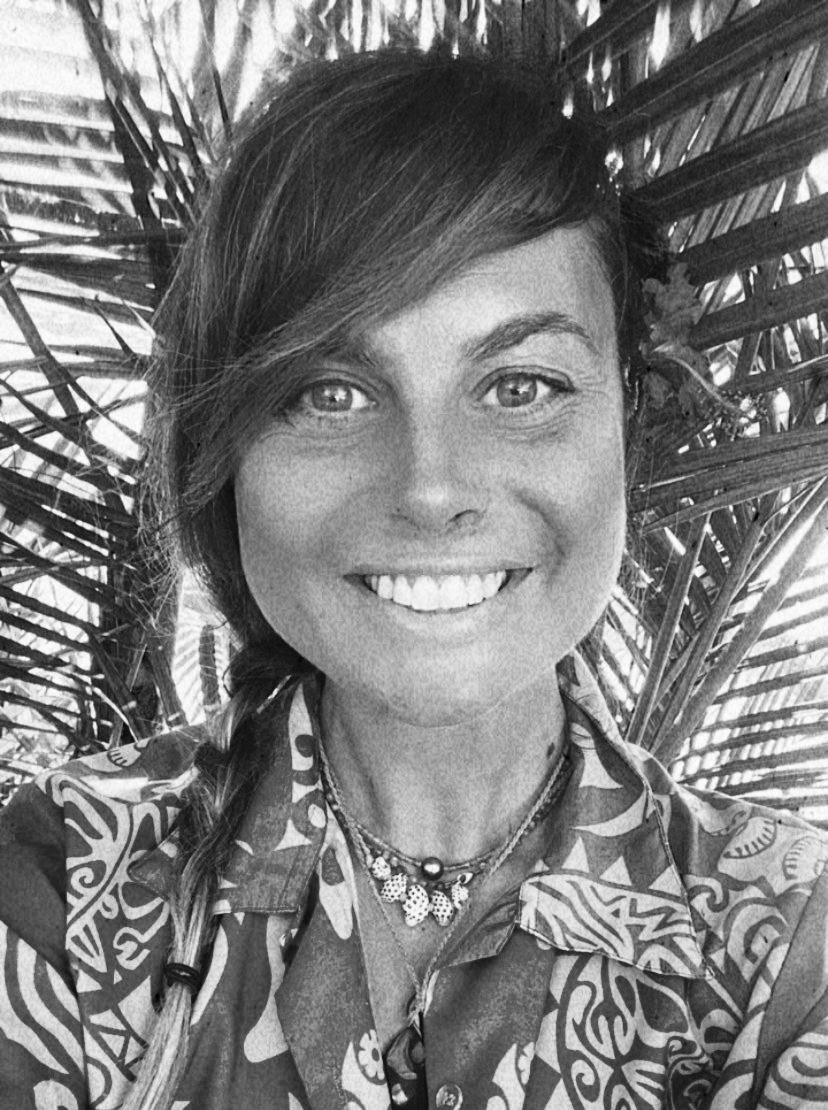
Maria Cristina Ramasco
Principal Investigator
Her passion for the sea has accompanied her throughout her life; she graduated with a Biology degree from the University of Milan. She obtained an M.A. in Biodiversity and Biological Evolution at the University of Milan and a second M.A. in Wildlife Documentary Production at the University of Salford in Manchester, U.K. She has traveled the world, from the Mediterranean Sea to the remote Islands of the Pacific Ocean and the Indian Ocean, to study marine mammals in and out of the water, committing herself to Cetaceans. Biologist, filmmaker, scientific popularizer, freediver, surfer and passionate about the Ocean and all its nuances.
She specializes in bioacoustics and Cetacean Photo-ID studies, monitoring and Photo-ID of sea turtles, and scientific dissemination through producing wildlife documentaries.
Today she works on several projects of conservation and production of documentaries for the scientific community, universities, and Italian television, winning awards such as Wild Life Film Fest 2016 and participating in several film festivals worldwide.
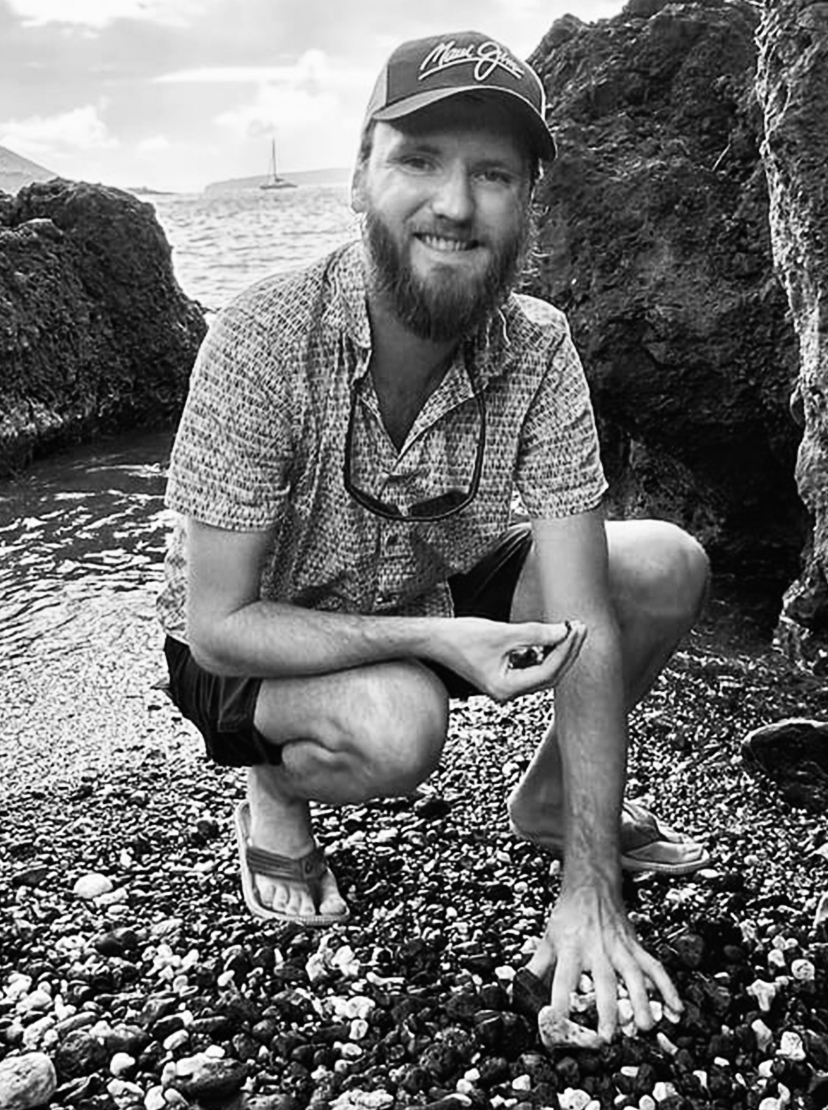
Aaron Tracy
Research Assistant
Aaron is a Naturalist, anthropologist, and Photographer who has spent over 20 years finding ways to protect our planet. He studied Biology and Anthropology at Franklin Pierce University in Rindge, NH, and graduated in 2017.
His childhood was marked by travels to National Parks across the country, fostering a profound appreciation for conservation. His move to Maui in April of 2021 ignited a new passion, one that was deeply connected to the ocean. In this environment, he thrived, working on snorkeling tours such as the Pacific Whale Foundation and as First Mate aboard Hawaiʻi Ocean Rafting. He provided education on Biology, Conservation, and Anthropology, operated boats, and further strengthened his free diving skills. He also worked with wildlife nonprofits at the Hawaiʻi Wildlife Discovery Center. He used videography to raise awareness of local animals and their cultural significance, sharing his work on social media and at Akakū Community Media. Some of his content was submitted to national databases to help identify protected species in Hawaiʻi.
Advisory Board
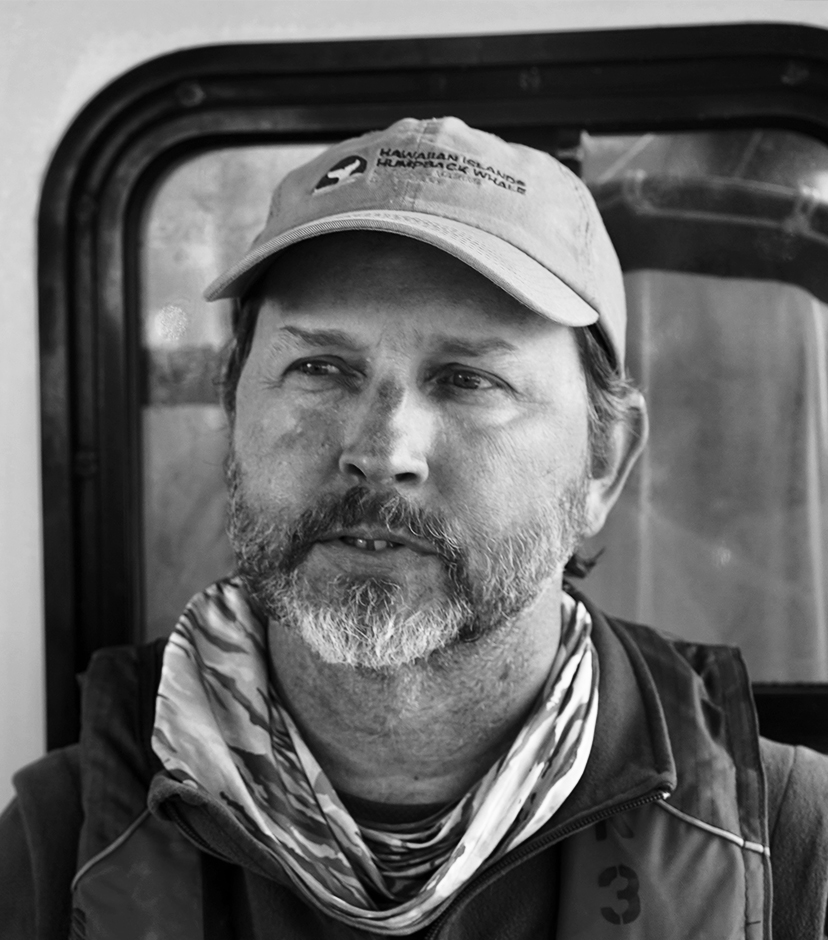
Marc Lammers, Ph.D.
Scientific Advisor
Dr. Marc Lammers is the Co-Founder and President of Oceanwide Science Institute and is an affiliate faculty member at the Hawai’i Institute of Marine Biology. He is also the Research Ecologist at NOAA’s Hawaiian Islands Humpback Whale National Marine Sanctuary (HIHWNMS). He holds a B.A. and a Ph.D. in Zoology from the University of Hawaii. At HIHWNMS he leads research activities focused on understanding the population, ecology and behavior of Hawaii’s humpback whales. Dr. Lammers is an expert in marine acoustics and has studied Hawaii’s dolphins for more than 25 years. He is an active collaborator with many researchers both in Hawaii and around the world, and is a mentor to numerous graduate students. His work has yielded over 100 scientific publications and has been featured extensively in popular media.
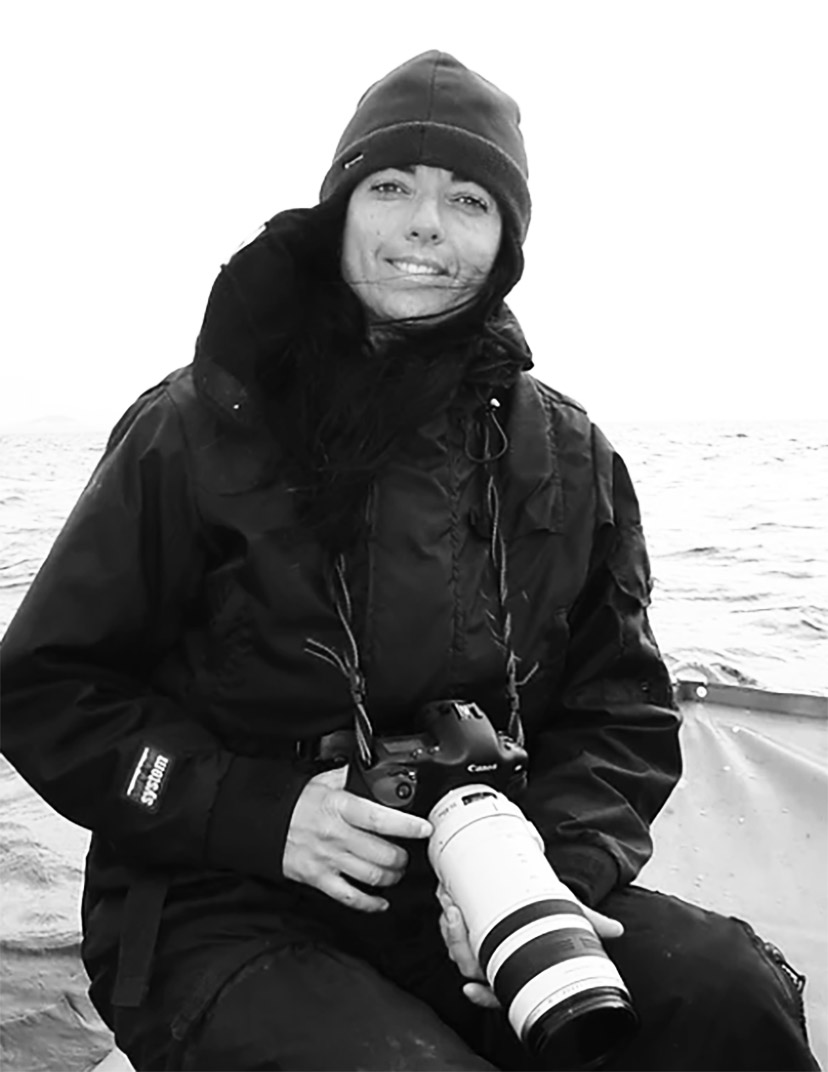
Daniela Maldini, Ph.D.
Scientific Advisor
Dr. Daniela Maldini is a dedicated advocate for marine life who obtained her Ph.D. in Zoology from the University of Hawai’i at Manoa in 2003. She further enhanced her expertise by earning a Master of Science in Marine Sciences from San Jose State University, as well as a Bachelor of Science in Biological Sciences from the University of Pavia, Italy. Dr. Maldini’s academic journey also included a transformative Postdoctoral fellowship in Conservation Biology in Bonaire, Netherland Antilles.
Currently, she serves as an Environmental Biology instructor at Coconino Community College in Flagstaff, Arizona, where she inspires students with her extensive knowledge. Since 1990, Dr. Maldini has dedicated her career to the study of whales, dolphins, sea otters, and pinnipeds across various regions, including the Mediterranean, Alaska, and the Russian Far East. She skillfully manages substantial grant-funded projects within both academic and non-profit settings, demonstrating her ability to balance comprehensive vision with meticulous attention to detail.
As a confident leader, Dr. Maldini connects with diverse audiences, leveraging her exceptional interpersonal skills. Her proficiency in public speaking, along with effective collaboration with governmental agencies and non-governmental organizations, significantly enhances her impact in the field of marine conservation.
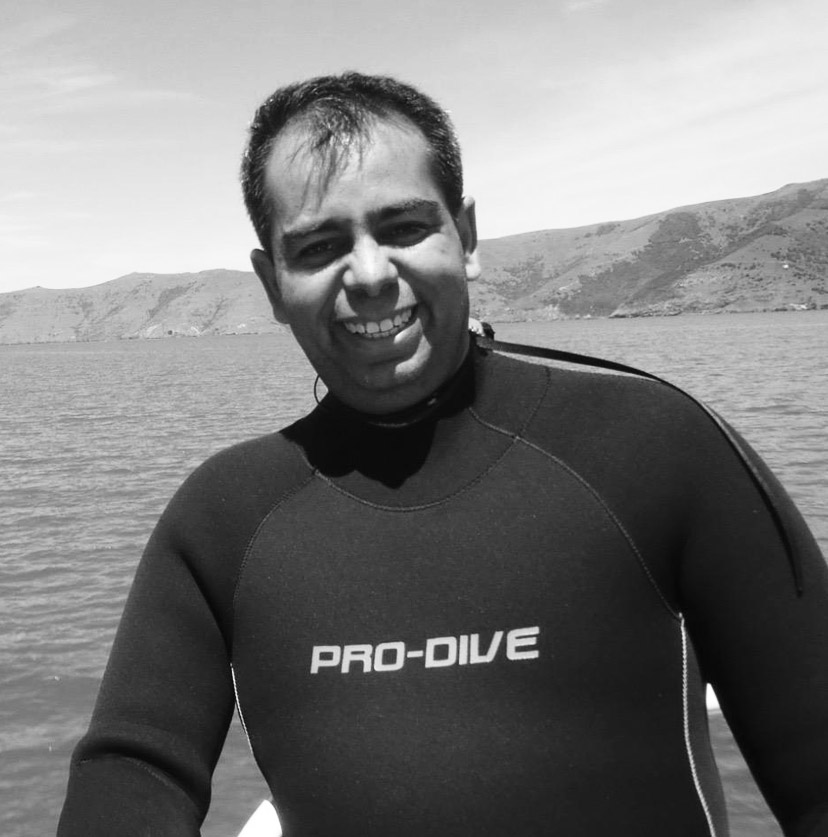
Lenin E. Oviedo Correa, Ph.D.
Scientific Advisor
Lenin Oviedo Correa serves as a Research Associate and the Associate Head of the Tropical Marine Mammals Ecology Lab at the Centro de Investigación de Cetáceos Costa Rica (CEIC). An esteemed Venezuelan researcher, he is profoundly fascinated with the diverse marine fauna in Latin America. Despite the region’s copious natural resources, it grapples with intricate social and economic challenges, thus presenting an intricate landscape for conservation science. Lenin completed his undergraduate studies on the visually striking Margarita Island, located in the Caribbean Sea, just off the coast of Venezuela. Subsequently, he pursued his graduate studies in Costa Rica, where he developed a deep-seated admiration for the magnificent tropical fjord, Golfo Dulce. He earned his Ph.D. in the enchanting environs of the Gulf of California amidst the welcoming city of La Paz in Baja California Sur, Mexico. Lenin considers himself exceptionally fortunate to have honed his research and scientific expertise in such awe-inspiring locales teeming with marine life.

Paul Yun
AI Advisor
Paul Yun is a seasoned Mechanical Engineer, Product Designer, and Software Engineer with over 15 years of experience in hardware and software development. As the Founding Principal Engineer at KaiberAI, he helped develop the company’s AI video generation platform, focusing on intuitive user interfaces that handle complex functionalities while mentoring and leading the engineering team. Previously, he was part of Wayfair’s R&D team, where he researched and prototyped AR-based shopping experiences through projection mapping. At UCLA’s School of Architecture and Urban Design, he led the Robotics Lab and 3D Printing operations, engaging students in hands-on learning of advanced fabrication technologies.
With a robust background across various tech startups, Paul employs an iterative problem-solving approach, starting with prototypes and refining ideas through testing. He values collaboration and diverse perspectives, which drive innovation in his projects.
Outside of work, Paul enjoys skateboarding, yoga, and meditation, all part of his commitment to a healthy lifestyle. He is dedicated to building solutions that positively impact humanity and deepen our understanding of the world.
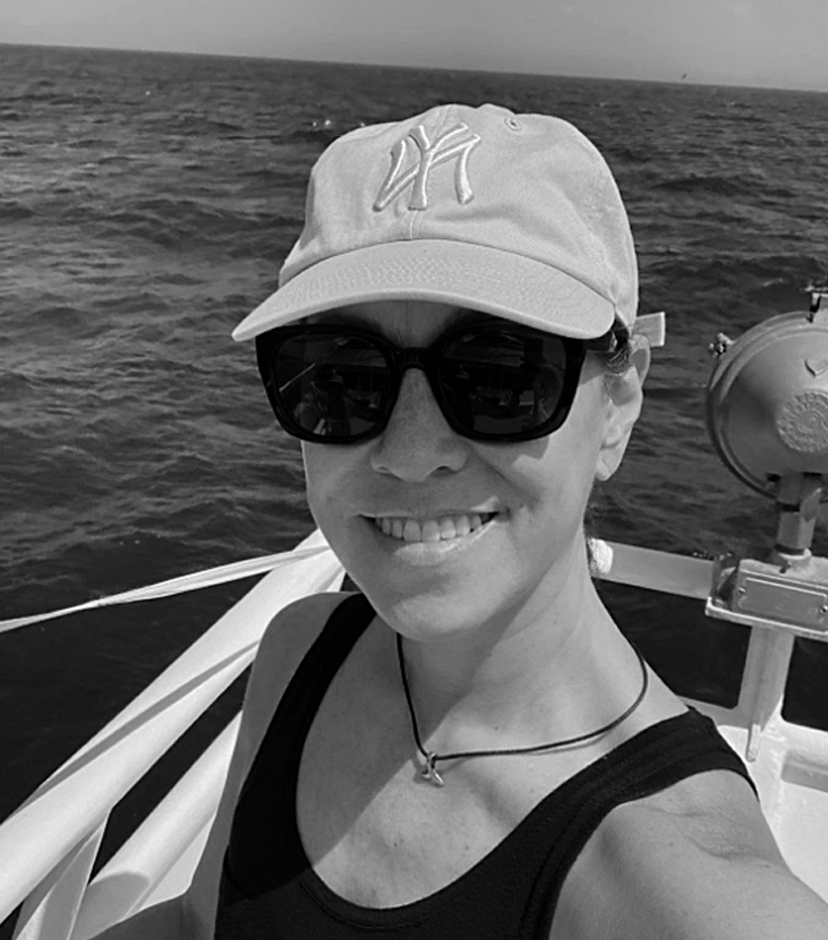
Kiku Loomis
Strategic Advisor
Kiku is a seasoned business and sustainability strategist with two decades of experience guiding global organizations to implement responsible practices that benefit business, planet, and communities. She has held senior leadership roles across nonprofit and corporate sectors, transforming traceability, supply chains, and human rights across global brands. Former Director at Rainforest Alliance and PVH leader, ESG advisor at Futerra, co-founder of World Monitors and Fair Factories Clearinghouse.
Kiku has a Master of Marine Biodiversity and Conservation from Scripps Institution of Oceanography, and Master of Business Administration from INSEAD. For her master’s research she worked with NOAA’s Southwest Fisheries Science Center to study the population and behavior of endangered sperm whales in the northeastern Pacific.
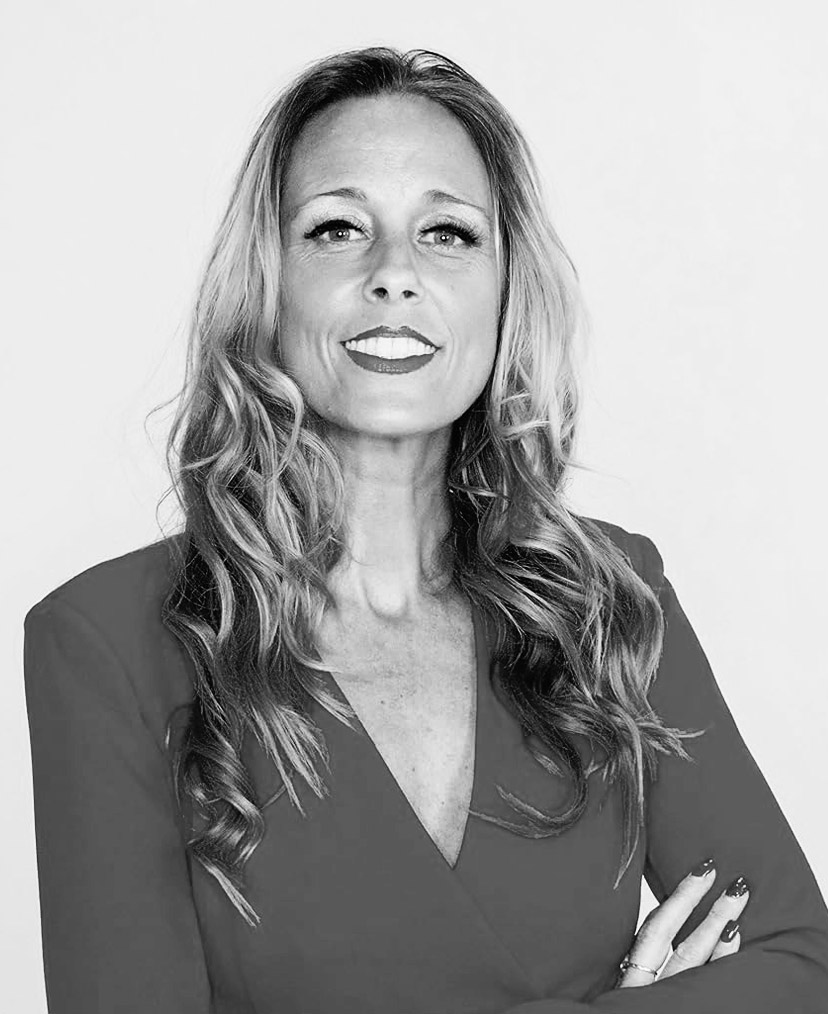
Celene Di Stasio
Creative Producer Advisor
Celene is a distinguished International Executive Producer and Creative Director based in Los Angeles, with roots in Napoli, Italy. Her passion for cinema began at Cinecittà Studios in Rome, contributing to productions like The Talented Mr. Ripley. Later, at the National Geographic Society in Washington, D.C., she crafted campaigns for Italian and Latin American channels.
As co-founder of two video production companies and a SaaS tech platform, Celene spearheaded global campaigns for clients such as HBO, Netflix, and The World Bank, earning industry awards. Now leading Xanto Media Agency, she specializes in creative video campaigns and strategic communication, blending AI and cutting-edge technology. The agency operates globally, delivering exceptional results for both commercial and government clients.
Trilingual in English, Italian, and Spanish, Celene is an international speaker and author with a degree in Foreign Languages and Film & Media. She balances her career with passions for sailing, scuba diving, and Italian cuisine, embodying a spirit of creativity and adventure.
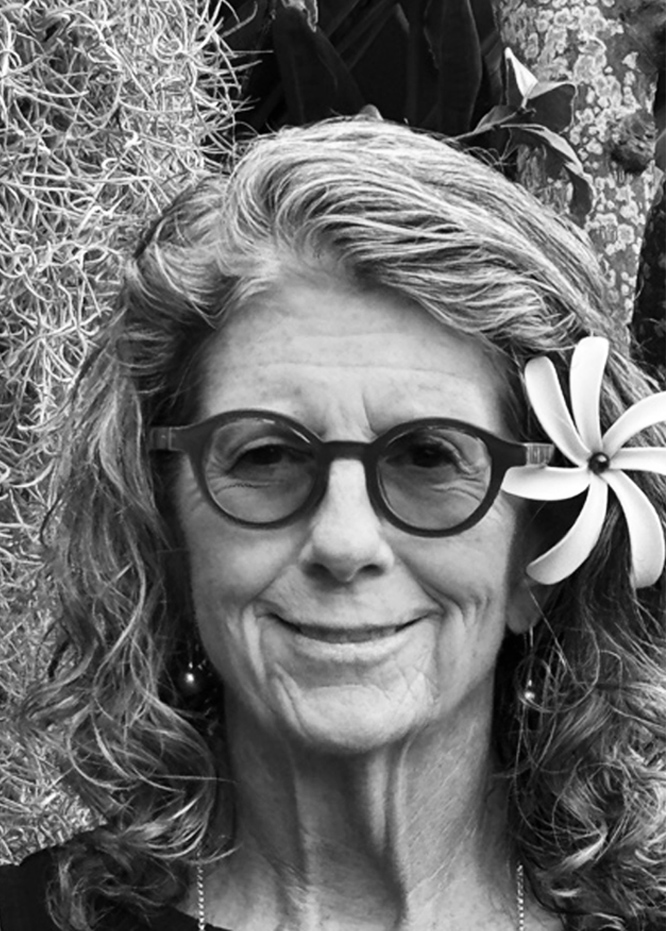
Lori LaFontaine
Community Support
Lori LaFontaine is a Maui-based conservation practitioner with over a decade of experience supporting marine conservation and community-focused initiatives. Her work has included honu protection, coastal stewardship, and public education, with a strong focus on fostering respectful and responsible relationships between people, wildlife, and coastal environments.
Through her long-standing experience, steady presence, and commitment to environmental responsibility, Lori contributes essential community insight, continuity, and support to the mission of Ka Leo O Ke Kai.
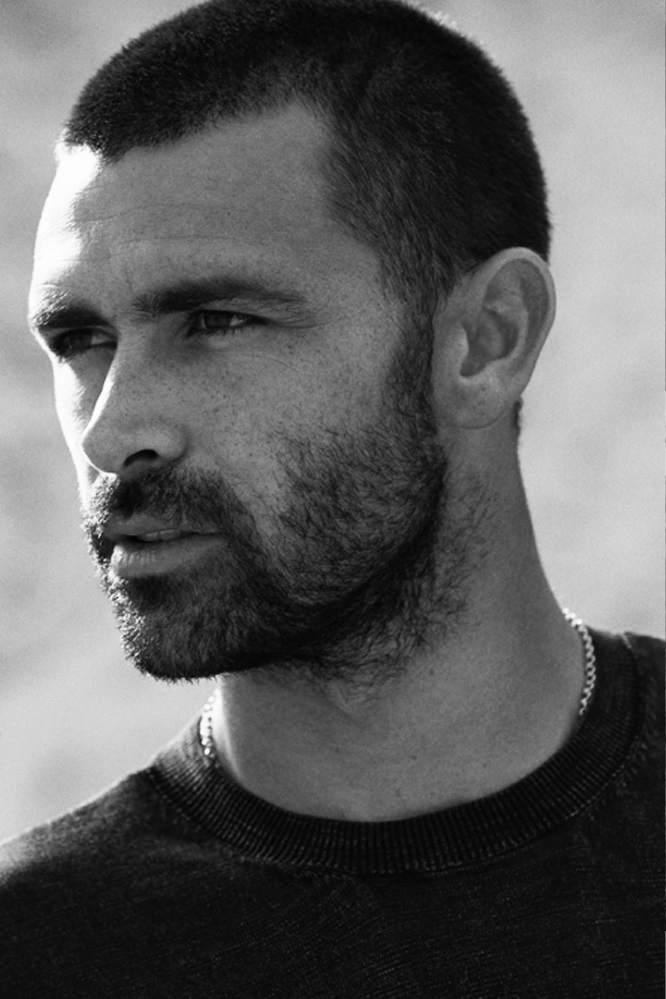
Francisco Porcella
Ocean Voice
Francisco Porcella is an island soul raised between Cagliari, Sardinia, and Haʻikū, Maui. He grew up immersed in sport, first as a competitive soccer player, before the ocean captured his heart and reshaped his path. From a young age, Francisco became deeply connected to the sea through a wide range of water sports, developing a profound respect for its power, rhythm, and intelligence.
An environmentalist at heart, Francisco is best known today as one of the world’s leading big wave surfers. He has been part of the big wave surfing movement at Peʻahi (Jaws), Maui since its early days, and continues to chase some of the most powerful swells across the globe. His career includes nominations for the XXL Big Wave Awards and participation in the Big Wave World Tour.
As an Ocean Voice for Ka Leo O Ke Kai, Francisco represents a deep, lived relationship with the ocean — one rooted in respect, listening, and humility before its immense force.
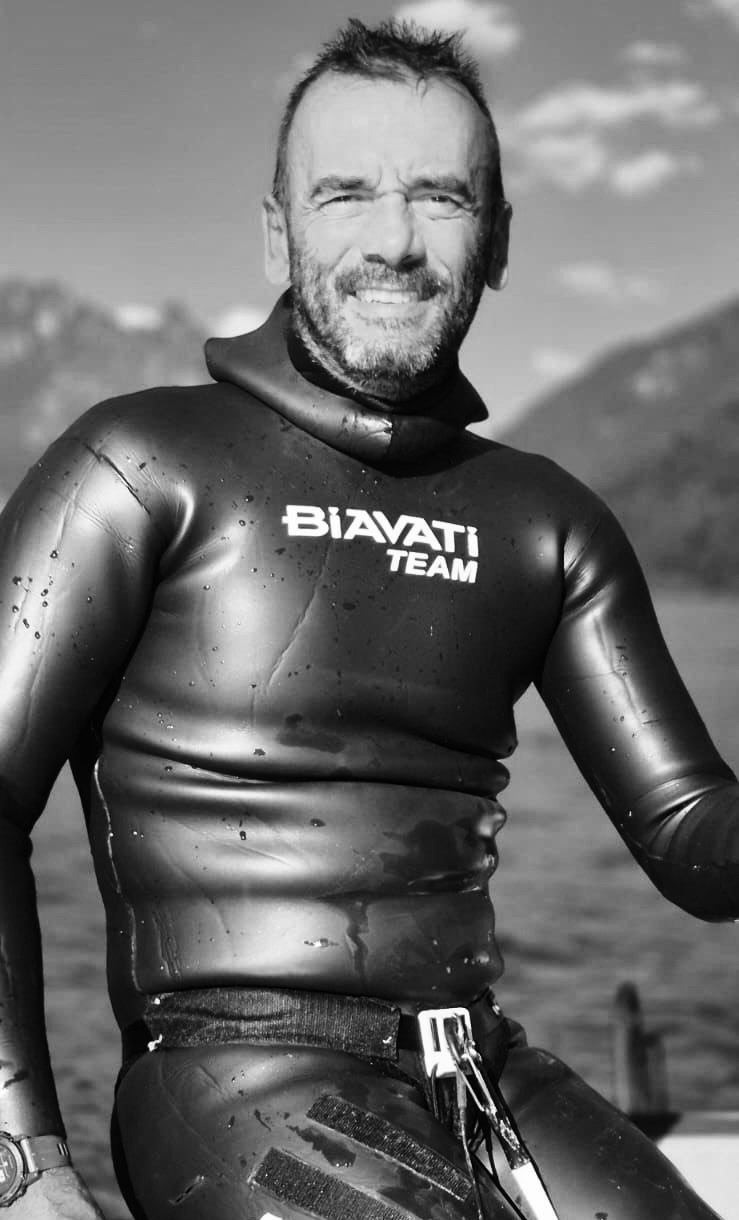
Alessandro Cianfoni
Ocean Voice
Alessandro Cianfoni is an Italian paralympic freediver and internationally recognized adaptive apnea athlete. The sea has accompanied him since childhood, shaping a relationship based on familiarity, respect, and long-term presence in the marine environment. Alessandro holds several paralympic freediving world records, achieved through years of disciplined training and international competition. His approach to freediving is defined not by conquest or speed, but by calmness, control, and attentive adaptation to the ocean—qualities developed through sustained, mindful interaction with the underwater world. As an Ocean Voice for Ka Leo o ke Kai, Alessandro embodies a way of entering the ocean grounded in awareness and respect. As an ambassador, he represents the project’s core values, giving voice to a human relationship with the sea shaped by breath, stillness, and deep listening.